Este é o teu “removedor de dúvidas”. A roupa não é um detalhe numa sessão na praia, é uma das decisões mais importantes porque influencia diretamente o resultado final e a forma como te sentes durante a sessão. Quando escolhes bem, reduzes indecisão, ganhas confiança e chegas preparado, o que se reflete em fotografias mais naturais e fortes.
Antes de escolher peças, define a intenção da sessão. Pergunta a ti próprio que tipo de imagem queres transmitir: algo natural, romântico, sensual, editorial ou descontraído. Essa decisão orienta tudo o resto. Tons neutros e cortes simples funcionam para um look minimalista, tecidos fluidos para algo mais romântico, peças que definem a silhueta para um estilo mais sensual e contrastes mais marcados para um resultado editorial.
A escolha das cores deve complementar o ambiente da praia, que já é visualmente rico. Branco, bege, creme, tons terra e azul claro funcionam quase sempre porque criam harmonia. Para mais impacto, preto, verde oliva ou terracota funcionam bem, especialmente ao pôr do sol. Evita cores neon, padrões complexos e logótipos grandes, pois criam distração e tiram foco de ti.
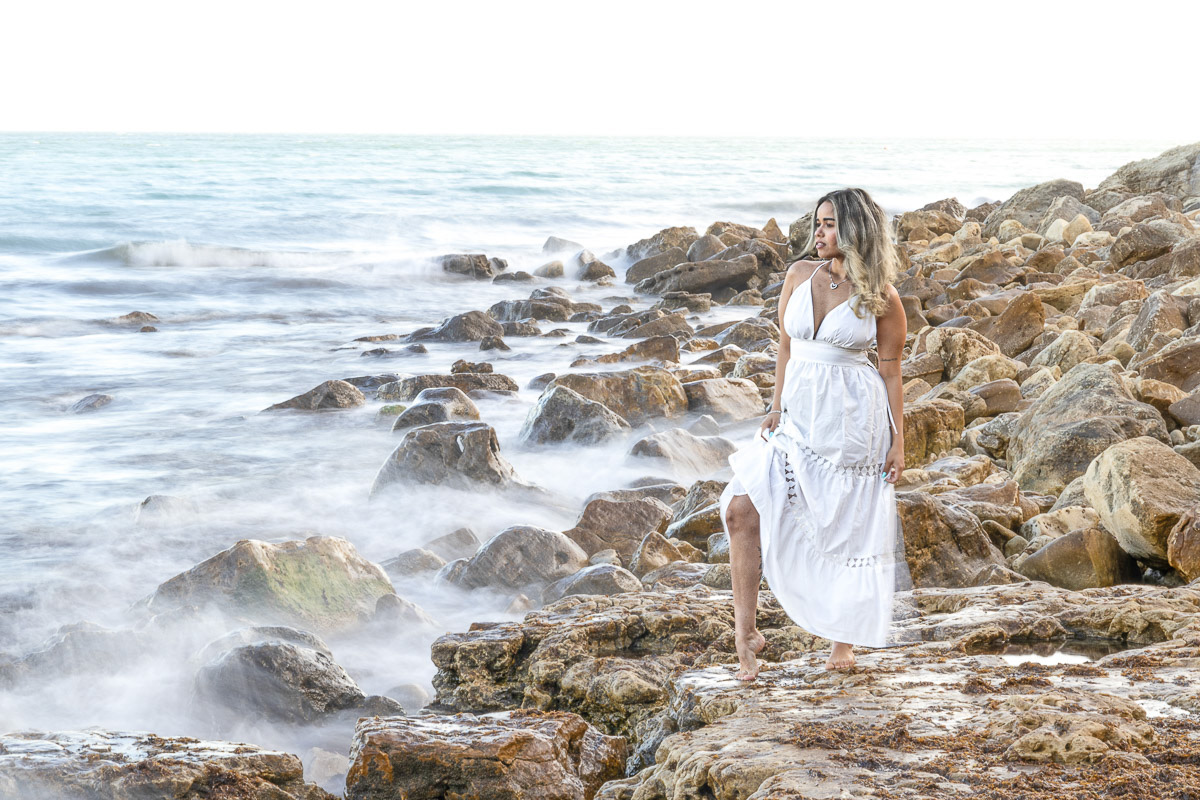
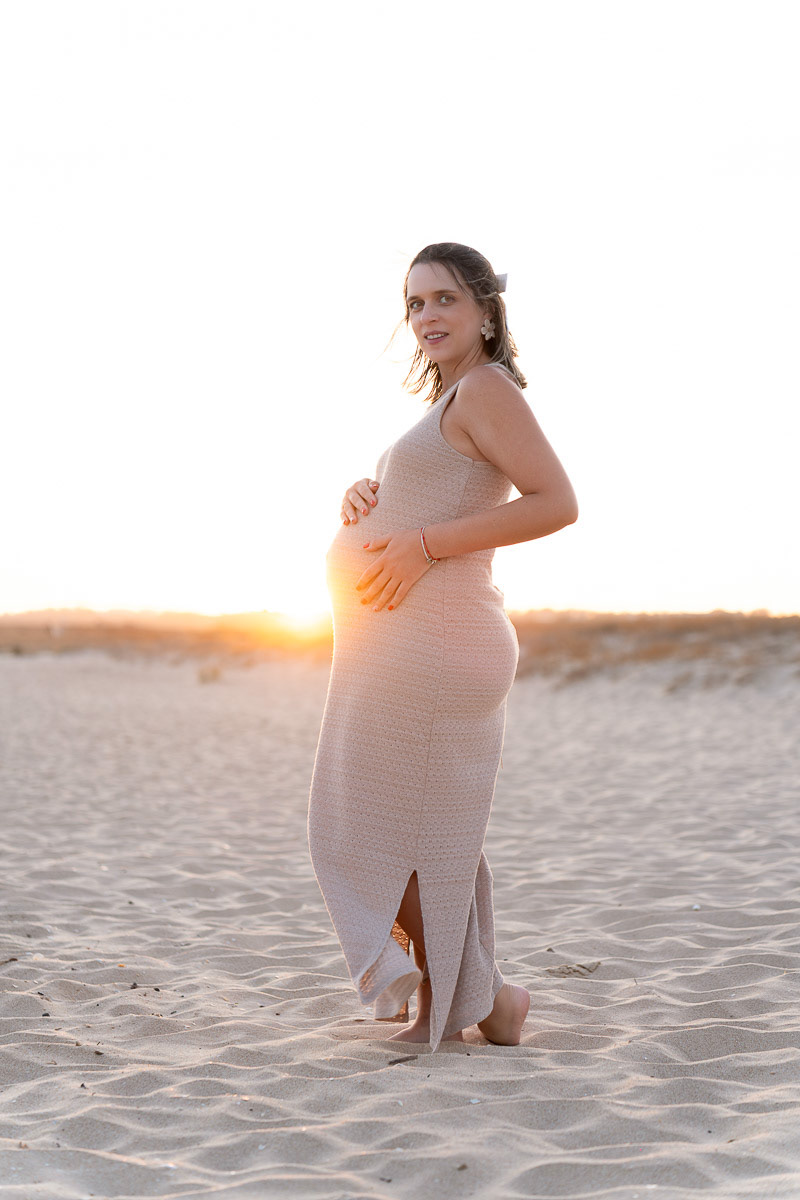
O tipo de tecido faz uma diferença enorme. Na praia, o vento e a luz são aliados, por isso escolhe tecidos que se movam e interajam com o ambiente, como linho, algodão leve, chiffon ou viscose. Tecidos pesados, rígidos ou demasiado sintéticos devem ser evitados porque tiram naturalidade às imagens.
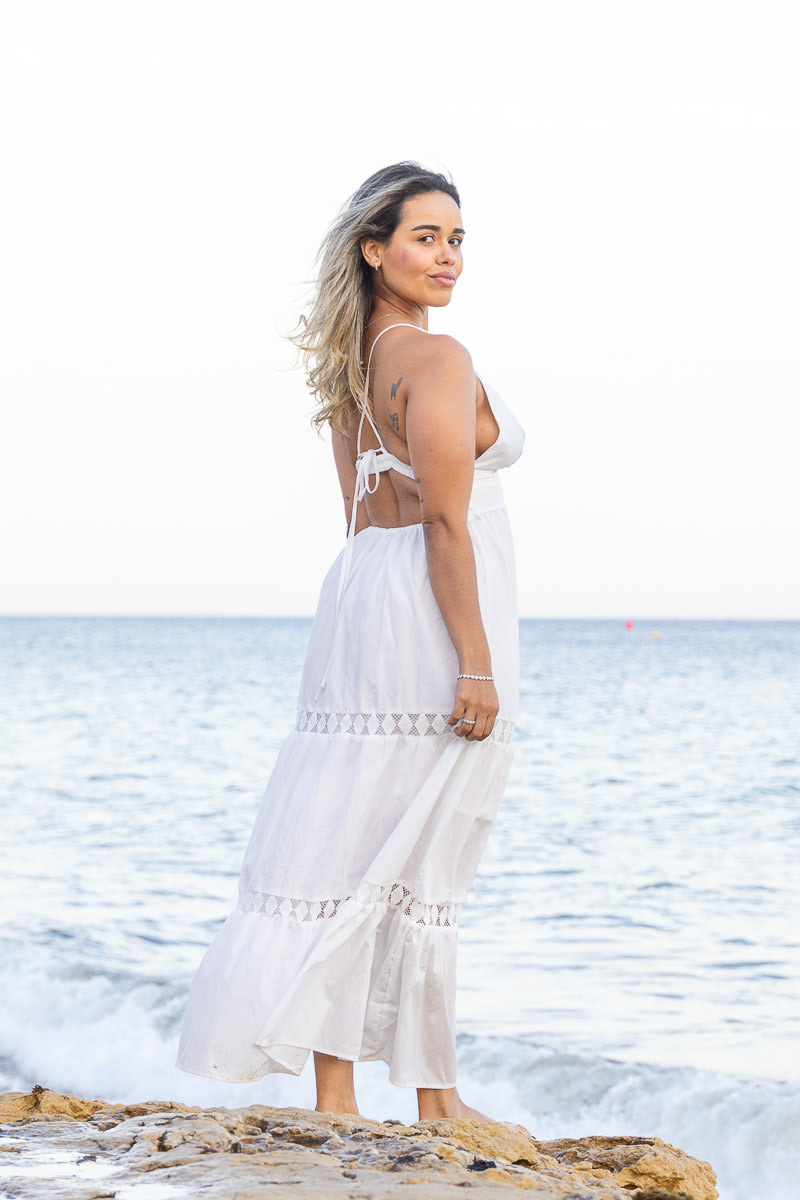
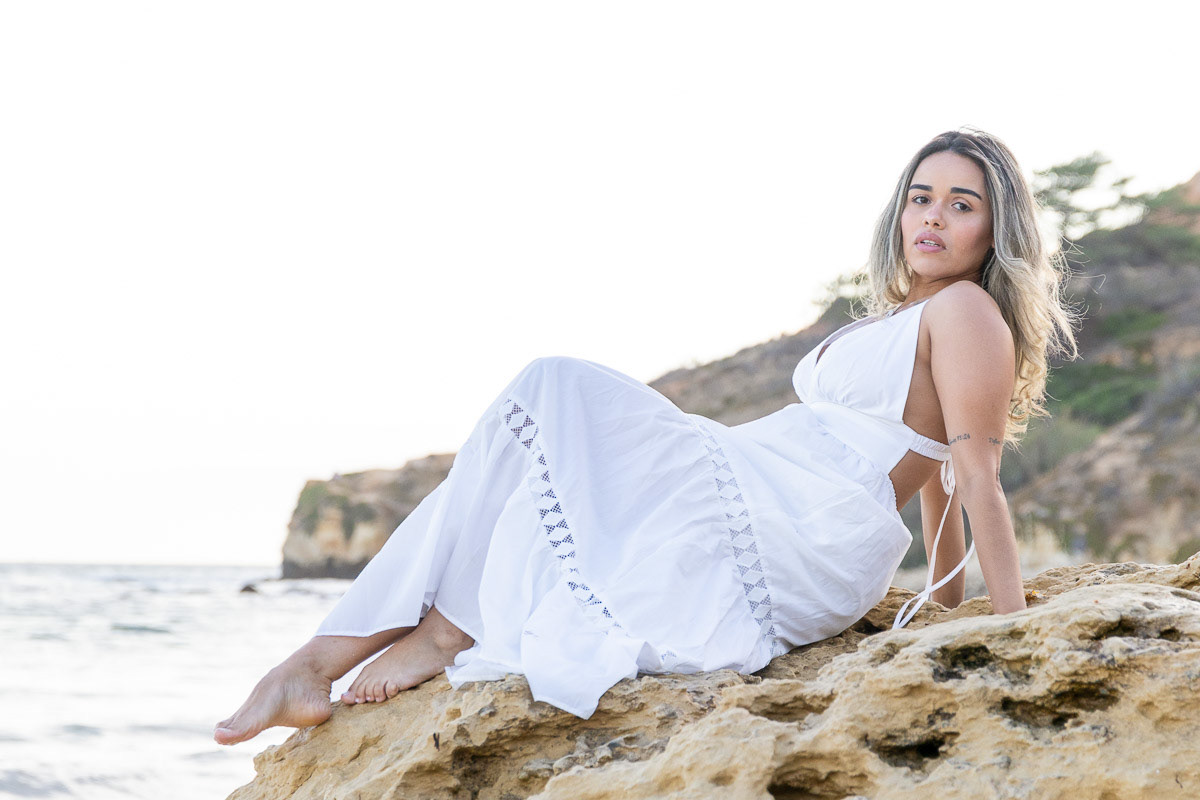
O ajuste da roupa é essencial. Roupa demasiado justa limita o movimento e pode criar desconforto, enquanto roupa demasiado larga pode perder forma. O equilíbrio é o ideal. Para mulheres, vestidos com movimento e cortes simples funcionam muito bem. Para homens, camisas ligeiramente largas e calças leves criam um resultado mais natural.
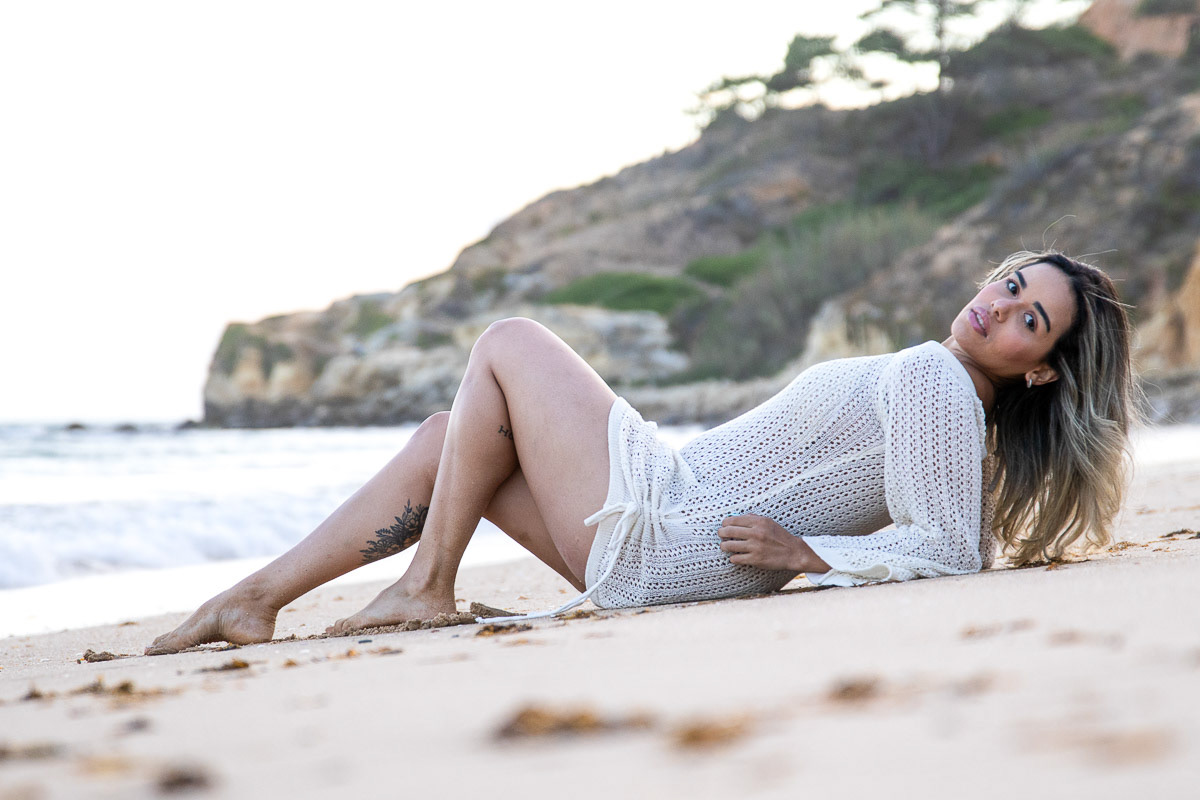
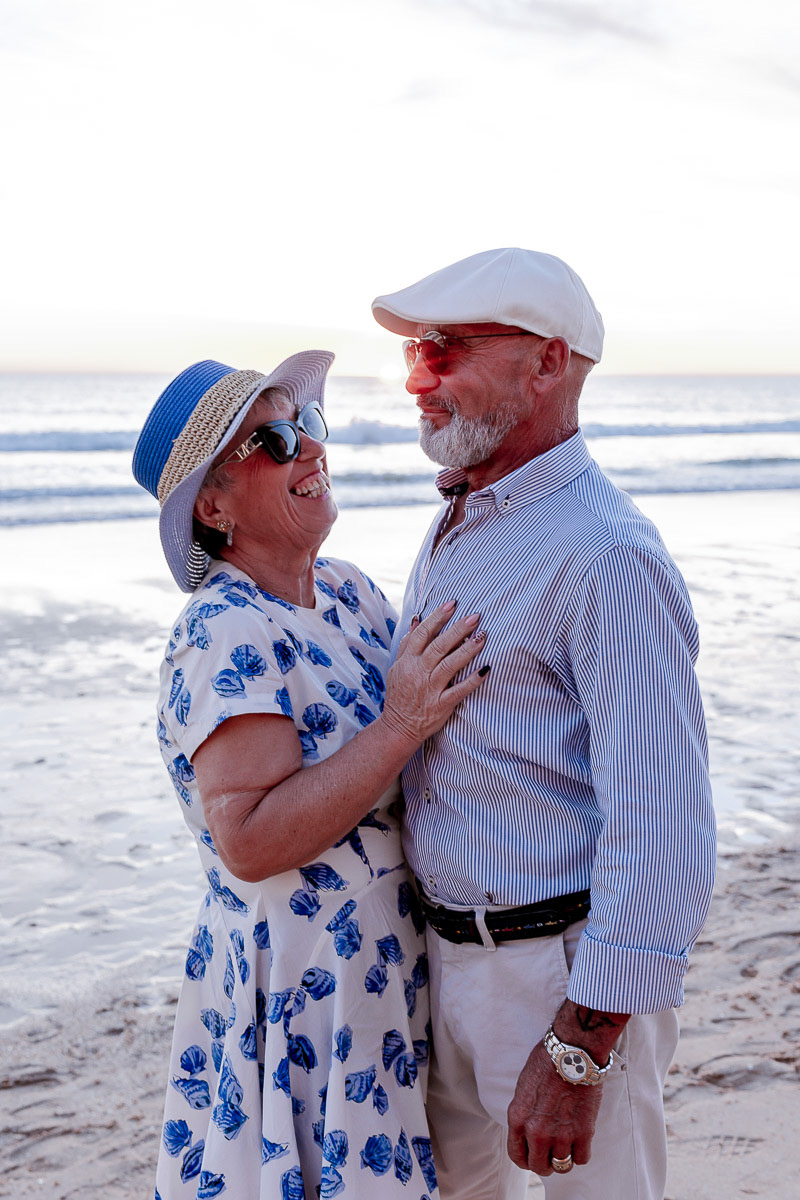
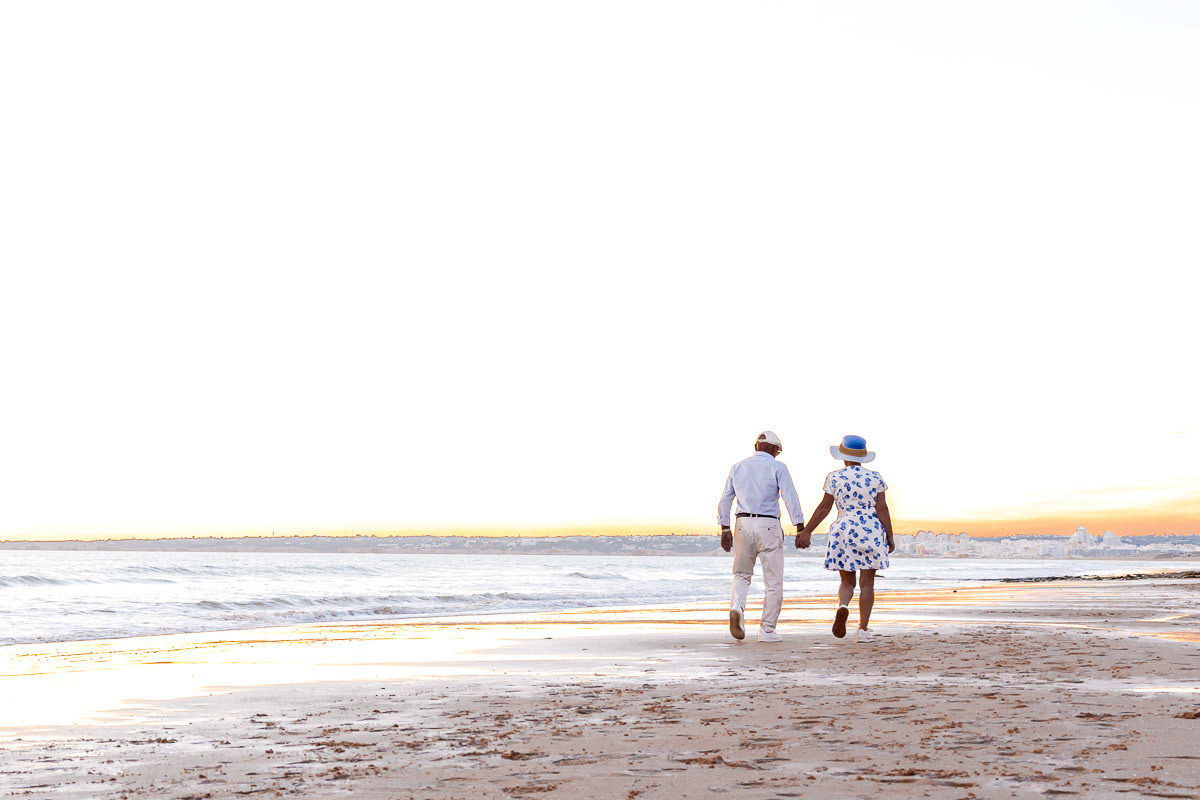
Adicionar camadas pode enriquecer as fotografias sem complicar. Uma camisa aberta, um kimono leve ou um lenço ajudam a criar movimento e variedade nas imagens. Em sessões de casal ou grupo, o objetivo não é vestir todos igual, mas sim criar harmonia com uma paleta de cores comum e diferentes texturas.
Os acessórios devem ser usados com moderação. Chapéus, óculos de sol simples e joias discretas funcionam bem, desde que não dominem o look. Em relação ao calçado, na maioria dos casos estar descalço é a melhor opção, por ser mais natural e coerente com o ambiente.
Levar duas ou três opções de roupa aumenta bastante a variedade das fotografias. Um look mais claro, outro com mais contraste e, opcionalmente, algo mais pessoal permitem explorar diferentes estilos na mesma sessão.
A luz e o horário também influenciam o resultado. Ao pôr do sol, tons quentes e tecidos fluidos ganham mais força. De manhã, cores claras destacam-se mais. A preparação final é importante: roupa sem vincos, sem etiquetas visíveis e sem marcas na pele antes da sessão ajudam a evitar problemas.
No final, o mais importante é como te sentes. Quando estás confortável e confiante, isso reflete-se na postura e na expressão. A melhor roupa é aquela em que te sentes bem. Quem lê isto deixa de estar perdido e passa a estar preparado, e quando estás preparado, marcar a sessão torna-se um passo natural.
What to wear for a beach photoshoot
This is your “doubt remover”. Clothing is not a small detail in a beach photoshoot, it is one of the most important factors because it directly affects the final result and how you feel during the session. When you choose well, you reduce hesitation, build confidence, and show up prepared, which leads to more natural and impactful photos.
Before choosing outfits, define the intention of the shoot. Ask yourself what kind of image you want to create: natural, romantic, sensual, editorial, or relaxed. This decision guides everything else. Neutral tones and simple cuts work for a minimal look, flowy fabrics for a romantic feel, shape-defining pieces for a sensual style, and stronger contrast for a more editorial result.
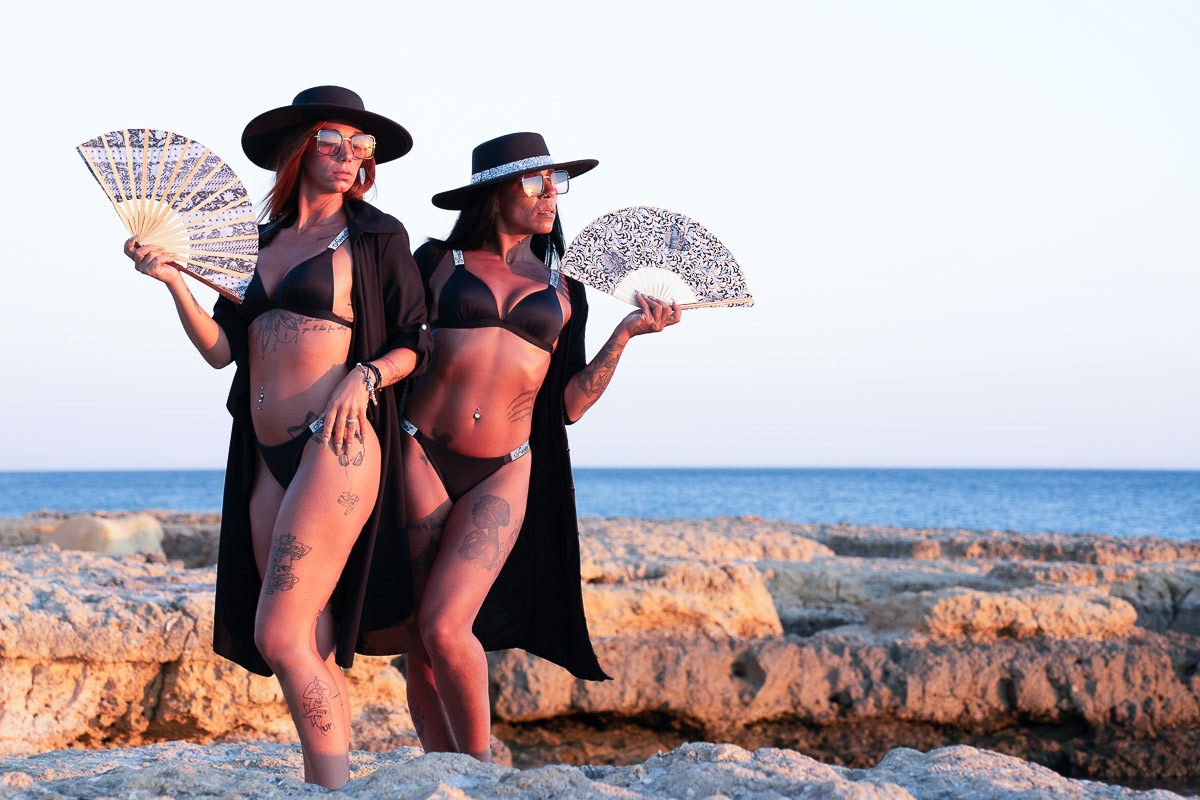
Color choice should complement the beach environment, which is already visually rich. White, beige, cream, earth tones, and light blue work consistently well because they create harmony. For stronger impact, black, olive green, or terracotta work well, especially at sunset. Avoid neon colors, complex patterns, and large logos as they distract from the subject.
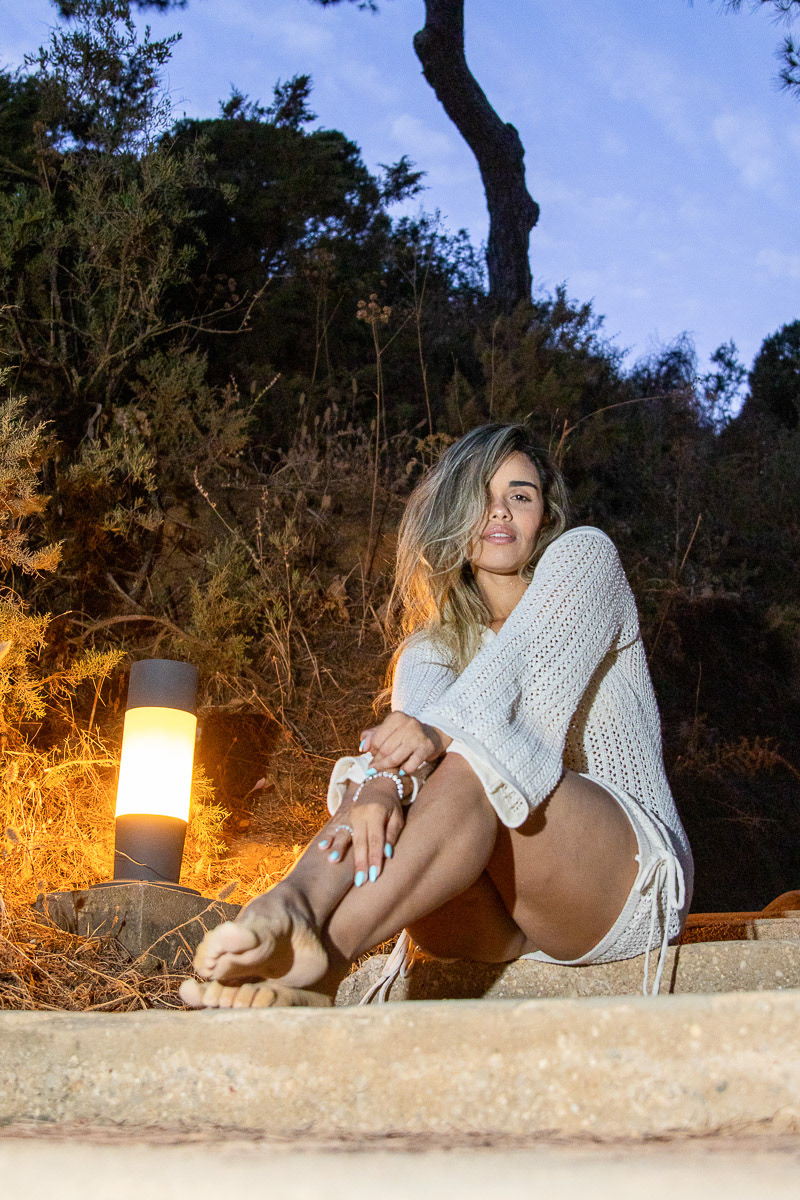
Fabric choice makes a significant difference. At the beach, wind and light are key elements, so choose fabrics that move and interact with the environment, such as linen, light cotton, chiffon, or viscose. Heavy, stiff, or overly synthetic materials should be avoided as they reduce natural flow.
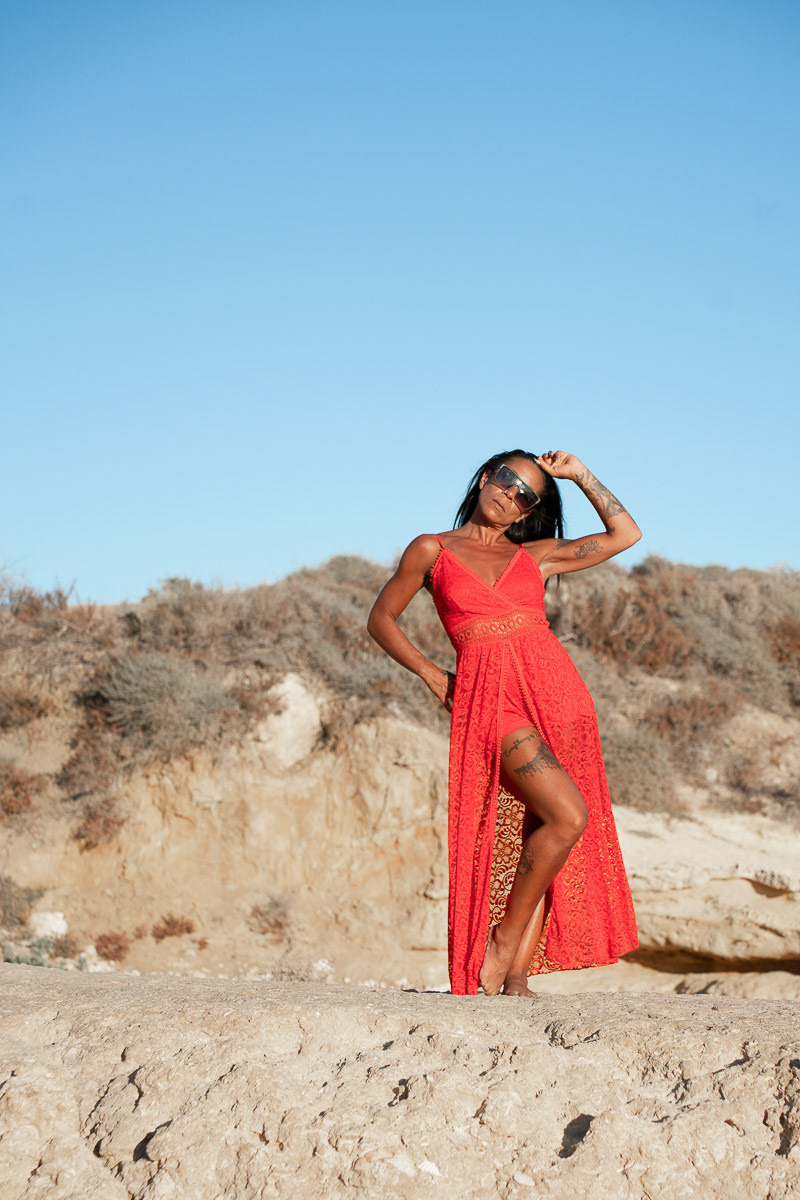
Fit is essential. Clothing that is too tight restricts movement, while clothing that is too loose may lose shape. Balance is key. For women, flowy dresses and simple cuts work well. For men, slightly loose shirts and lightweight trousers create a more natural look.
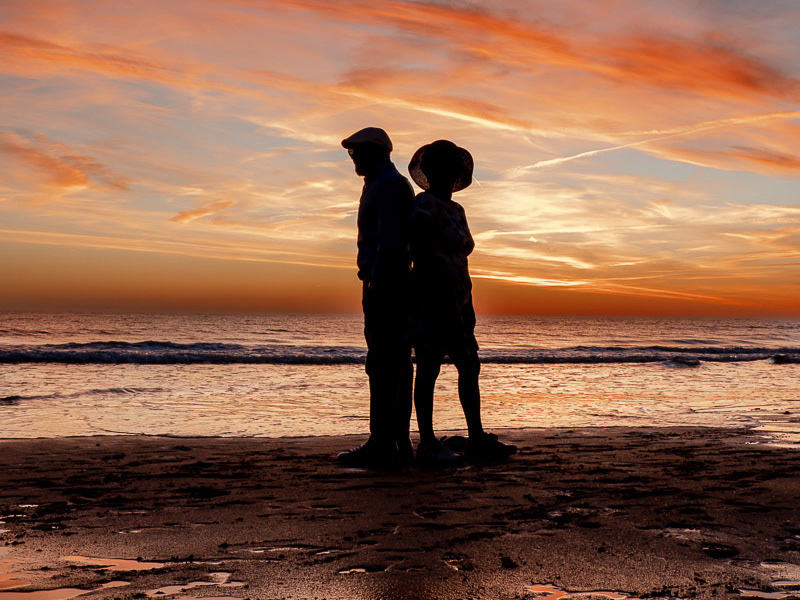
Adding layers can enhance the photos without overcomplicating things. An open shirt, light kimono, or scarf can create movement and variety. In couple or group sessions, the goal is not to match exactly but to create harmony using a shared color palette and mixed textures.
Accessories should be used in moderation. Hats, simple sunglasses, and subtle jewelry work well as long as they do not dominate the look. In most cases, going barefoot is the best option as it feels more natural and fits the environment.
Bringing two or three outfit options increases the variety of the final images. A light look, a more contrasted one, and optionally something more personal allow different styles within the same session.
Lighting and timing also affect the result. At sunset, warm tones and flowy fabrics stand out. In the morning, light colors work best. Final preparation matters: wrinkle-free clothing, no visible tags, and no marks on the skin help avoid issues.
In the end, the most important factor is how you feel. When you feel comfortable and confident, it shows in your posture and expression. The best outfit is the one that makes you feel right. Anyone reading this is no longer uncertain but prepared, and when you are prepared, booking becomes a natural next step.